Contact Barrenjoey Inspections:
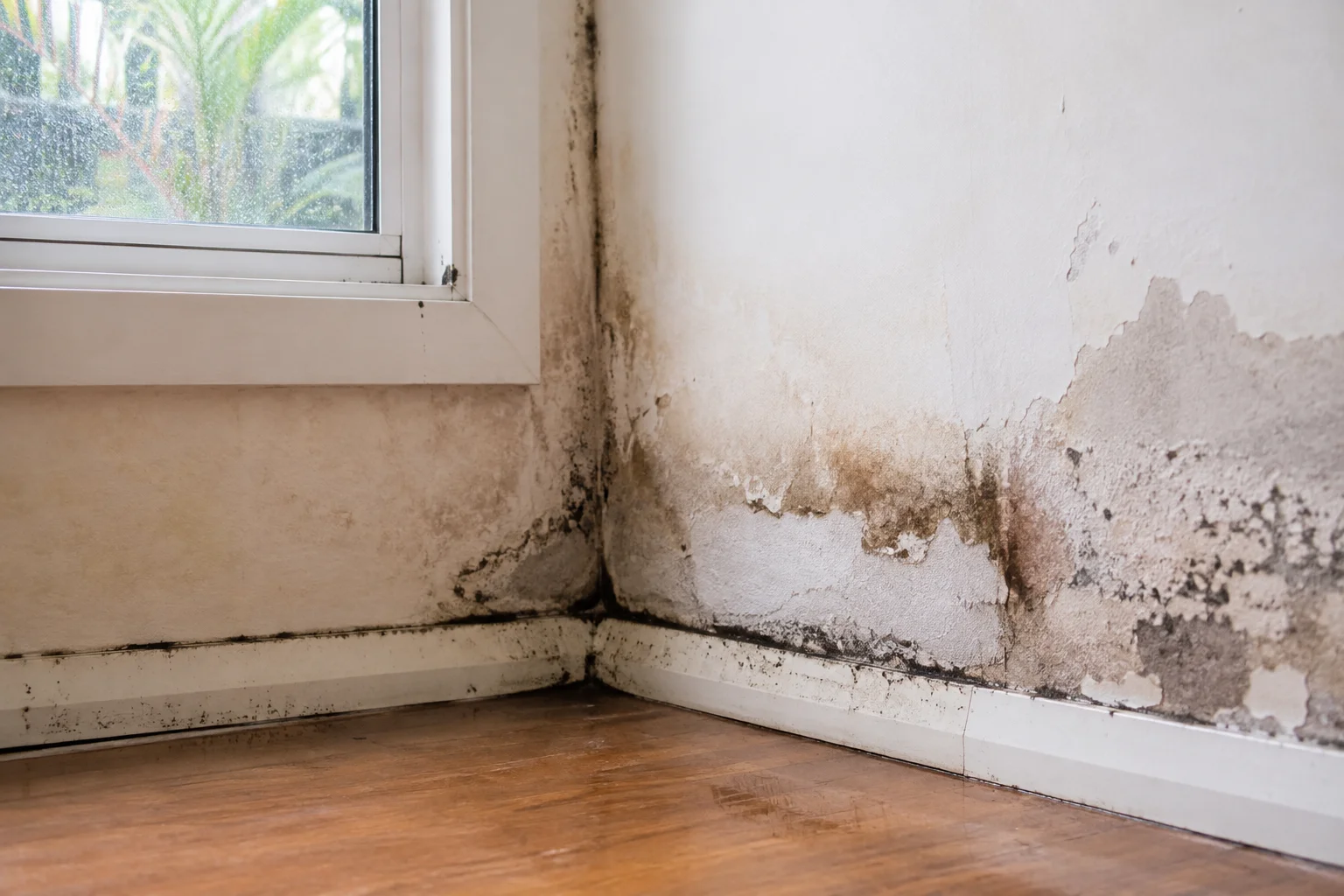
Moisture problems in a house are responsible for more long-term property damage than almost any other single issue. Excess moisture causes timber decay in structural framing, mould growth on walls and ceilings, paint and plaster deterioration, foundation instability, insulation degradation, and creates the ideal conditions for termite activity. Sydney’s Northern Beaches and North Shore properties are particularly vulnerable because of coastal humidity, sandy soils with variable drainage, older housing stock with original waterproofing, and proximity to waterways and bushland. The challenge for property buyers is that moisture problems are often invisible during a standard open home visit. They occur inside wall cavities, beneath floors, within roof spaces, and behind freshly painted surfaces that conceal the evidence. A thorough visual building and pest inspection using moisture detection equipment identifies these hidden issues before you commit to a purchase.
At Barrenjoey Inspections, moisture assessment is a standard and critical component of every inspection we conduct across the Northern Beaches and North Shore.
Water is the single most destructive force acting on residential buildings. Unlike sudden damage from storms or impact, moisture damage is slow, cumulative, and often invisible until the consequences are severe.
Timber decay occurs when structural timbers (bearers, joists, rafters, wall framing, window frames) are exposed to sustained moisture. The timber absorbs the water, which creates conditions for fungal growth that breaks down the wood fibres. Over months and years, the timber softens, loses its load-bearing capacity, and eventually fails structurally. This is particularly concerning in older homes across the Northern Beaches where original hardwood framing may have been exposed to moisture for decades.
Mould growth follows moisture. Mould requires only three things: moisture, a food source (any organic material including timber, plasterboard paper, carpet, and dust), and time. Sydney’s warm, humid climate provides ideal conditions for mould to establish rapidly once a moisture source exists. Mould is not just a cosmetic issue; it can affect indoor air quality and the health of occupants.
Termite attraction is one of the most costly consequences of moisture problems. Termites are drawn to moisture sources because they need water to survive. A subfloor with poor drainage, a leaking pipe inside a wall, or a damp area around the foundation creates exactly the conditions that attract termite colonies to a property. The signs of termites in your home guide covers what to watch for, and the termite damage repair cost guide explains why prevention is far cheaper than repair.
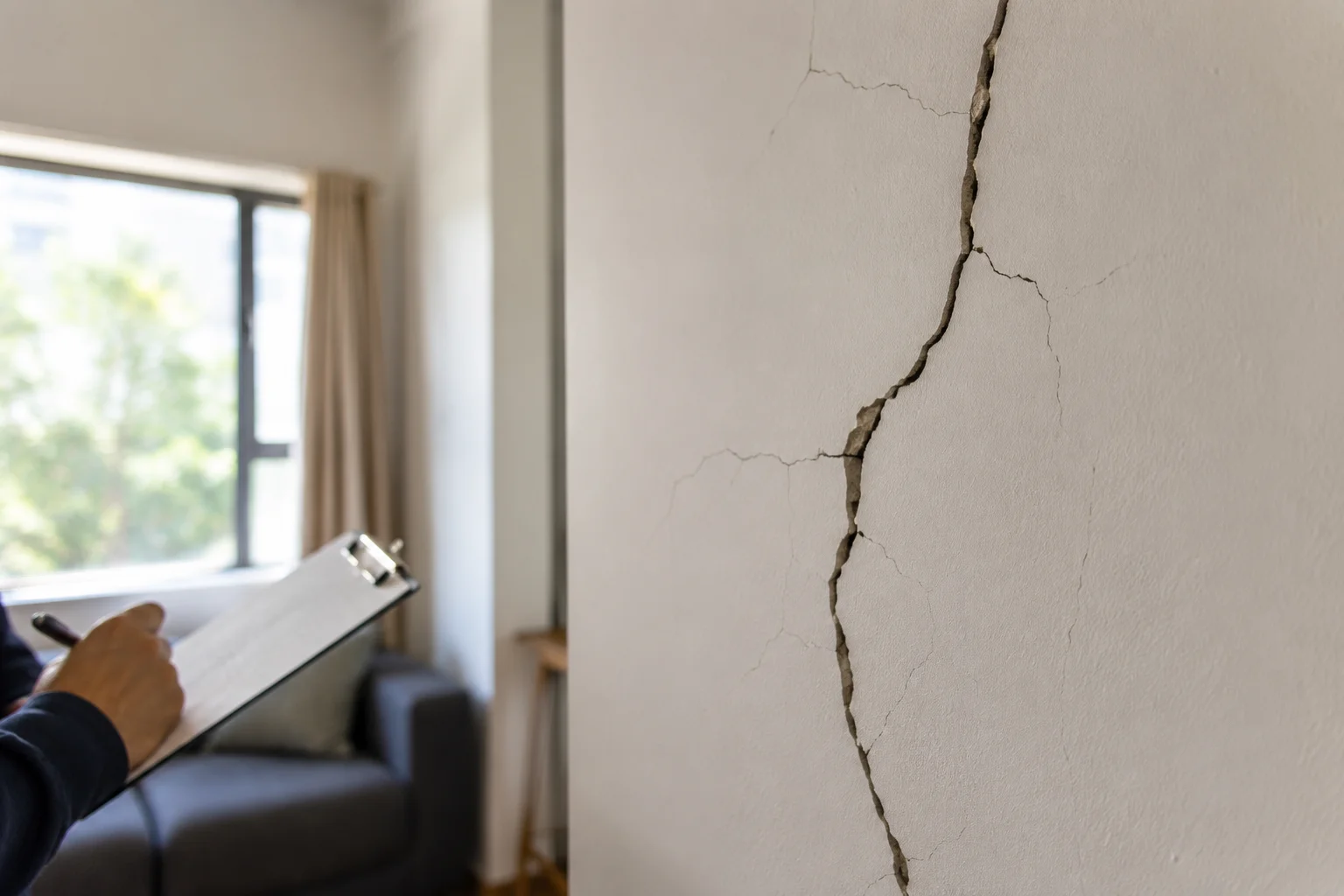
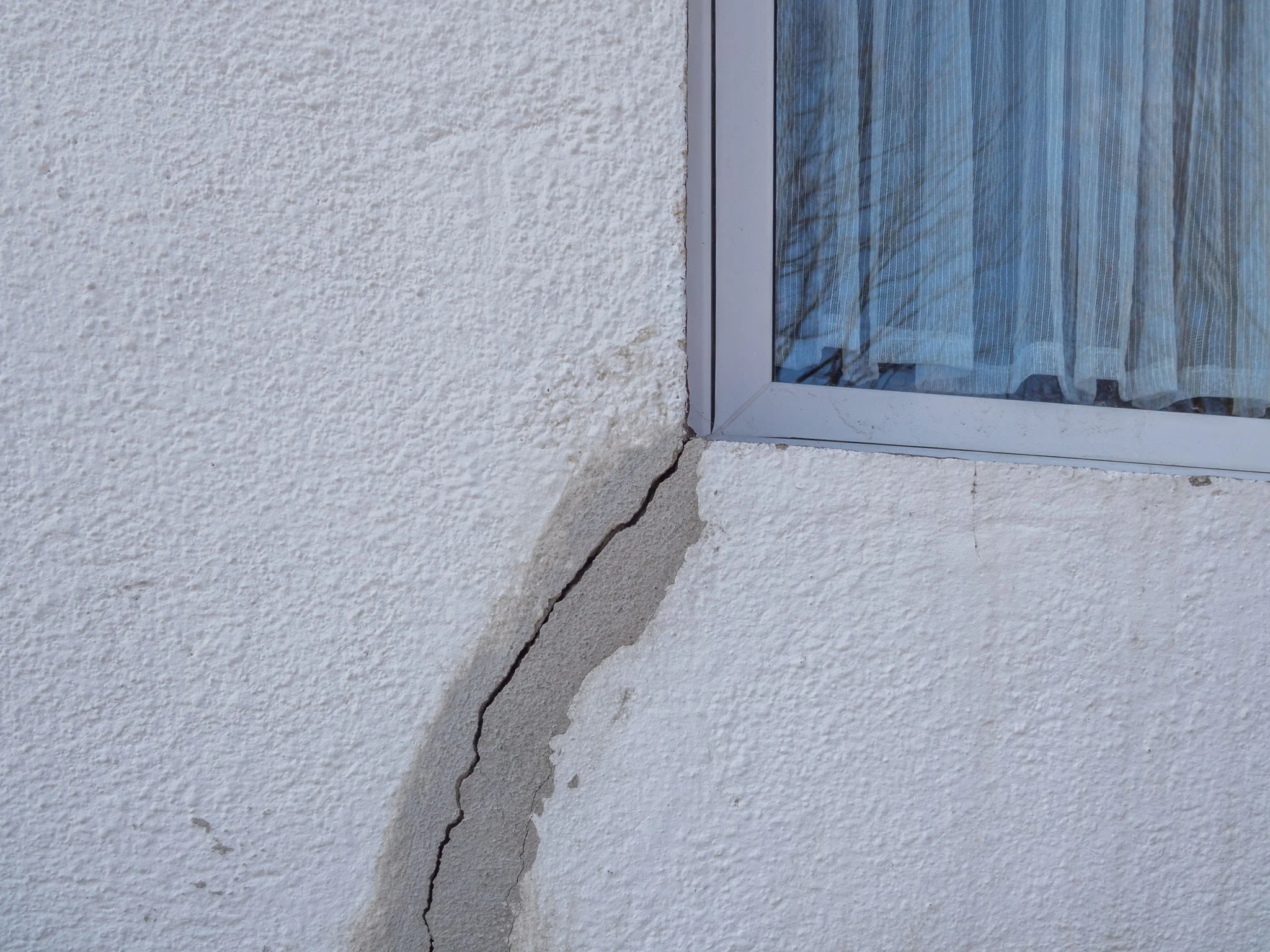
Foundation instability results from moisture affecting reactive clay soils underneath the building. When clay soils absorb water, they expand. When they dry, they shrink. This cycle of expansion and contraction causes differential movement in the foundation, which translates into cracking in walls, doors and windows that no longer close properly, and uneven floors. The signs of structural damage in a house guide covers how to recognise these warning signs.
“Moisture is the common denominator behind most of the serious defects we find during inspections. Timber decay, termite activity, mould, structural cracking; trace any of them back far enough and you usually find a moisture source that has been quietly doing damage for years.”
Each type of moisture problem has different causes, different locations, and different implications for the property.
| Moisture Problem | Where It Occurs | What Causes It | What Damage It Causes |
|---|---|---|---|
| Rising damp | Lower walls, ground floor rooms | Groundwater drawn up through masonry by capillary action, failed or absent damp-proof course | Paint peeling, plaster crumbling, salt deposits (efflorescence), musty smell, timber decay in skirting and wall framing |
| Subfloor moisture | Under suspended timber floors | Poor drainage, inadequate ventilation, blocked air vents, high water table, leaking plumbing | Timber decay in bearers, joists, and stumps; mould on subfloor timbers; bouncy or sagging floors; termite attraction |
| Roof leaks | Roof cavity, ceilings, upper walls | Failed flashing, corroded valleys, cracked tiles, deteriorated ridge capping, blocked gutters | Wet insulation, timber decay in rafters and ceiling joists, ceiling stains, mould in roof cavity |
| Condensation | Windows, cold walls, bathrooms, laundries | Inadequate ventilation, poor insulation, high indoor humidity, temperature differential between inside and outside | Mould growth on walls and ceilings, paint deterioration, window frame decay, musty smell |
| Plumbing leaks | Inside walls, under floors, in wet areas | Corroded pipes, failed joints, leaking taps, deteriorated shower waterproofing | Localised timber decay, mould behind walls, floor damage, water staining |
| Poor site drainage | Around the building perimeter | Ground sloping toward the building, blocked stormwater drains, garden beds against walls, inadequate surface grading | Foundation moisture, rising damp, subfloor moisture, termite-conducive conditions |
| Failed waterproofing | Bathrooms, laundries, balconies | Age-related breakdown of waterproof membrane, cracked tiles allowing water through, failed silicone seals | Water migration through floors and walls to rooms below, timber decay in floor framing, mould |
Rising damp is one of the most commonly discussed and most frequently misdiagnosed moisture problems in Sydney homes.
True rising damp occurs when groundwater is drawn upward through porous masonry (brick, stone, or block walls) by capillary action. A damp-proof course (DPC), typically a layer of impervious material built into the wall near ground level, is designed to prevent this. When the DPC is absent (very old homes), has deteriorated, or has been bridged (by raised garden beds, render applied over the DPC, or path levels built up above the DPC line), moisture rises up through the wall.
What rising damp looks like: A tide-mark line on the lower section of internal or external walls, typically up to one metre high. Paint peeling or bubbling at the base of walls. Efflorescence (white salt deposits) on brickwork where moisture evaporates and leaves mineral salts behind. Damp, musty smell at ground level. Crumbling mortar in the lower courses of brickwork.
Why it is frequently misdiagnosed: Many moisture problems in lower walls are caused by condensation, poor drainage, or plumbing leaks rather than true rising damp. A thorough visual inspection with moisture readings taken at multiple heights on the wall helps distinguish between rising damp (moisture readings decrease with height) and other moisture sources (moisture readings may be uniform or localised).
For buyers inspecting properties across Manly, Mosman, and the older suburbs of the North Shore, rising damp in sandstone and original brickwork is a particularly common finding.
Subfloor moisture affects homes with suspended timber floors, which are common across Sydney’s Northern Beaches, particularly in older homes built on sloping blocks.
What causes it: Poor site drainage that allows water to pool underneath the building. Blocked or insufficient subfloor ventilation that traps humid air beneath the floor. A high natural water table (common in low-lying areas near creeks, lakes, and the coast). Leaking plumbing beneath the floor. Garden beds and landscaping that direct water toward or against the foundation rather than away from it.
Why it matters for buyers: Subfloor moisture directly causes timber decay in the structural floor framing (bearers, joists, and stumps), creates the ideal environment for termite activity, and leads to bouncy, uneven, or sagging floors. Properties in coastal and low-lying suburbs like Narrabeen, Collaroy, Dee Why, and Freshwater are particularly susceptible.
What an inspector checks: During a building and pest inspection, the subfloor is accessed (where safely accessible) and assessed for standing water, moisture on timber surfaces, visible mould or fungal growth, timber decay in structural members, termite evidence, ventilation adequacy, and drainage conditions. Moisture meter readings are taken on subfloor timbers to measure the moisture content against acceptable thresholds.
For property buyers, knowing what to look for during open home visits helps you identify potential moisture issues before engaging a professional inspector.
Visual clues on interior walls and ceilings: Staining (brown or yellow marks) on ceilings or upper walls suggests roof leaks. Paint peeling, bubbling, or blistering on lower walls suggests rising damp or plumbing leaks. Mould spots on walls, particularly in bathrooms, laundries, and on external-facing walls, suggest condensation or waterproofing failure. Fresh paint on one wall or section of a room (while surrounding walls are older) may indicate a recently concealed moisture stain.
Visual clues in wet areas: Cracked or missing grout in showers, around baths, and on bathroom floors is a pathway for water to penetrate behind tiles and damage the waterproof membrane. Soft or spongy flooring near showers, baths, or toilets indicates water has been penetrating the subfloor for some time. Musty smell in bathrooms despite appearing clean suggests hidden moisture behind walls or under floors.
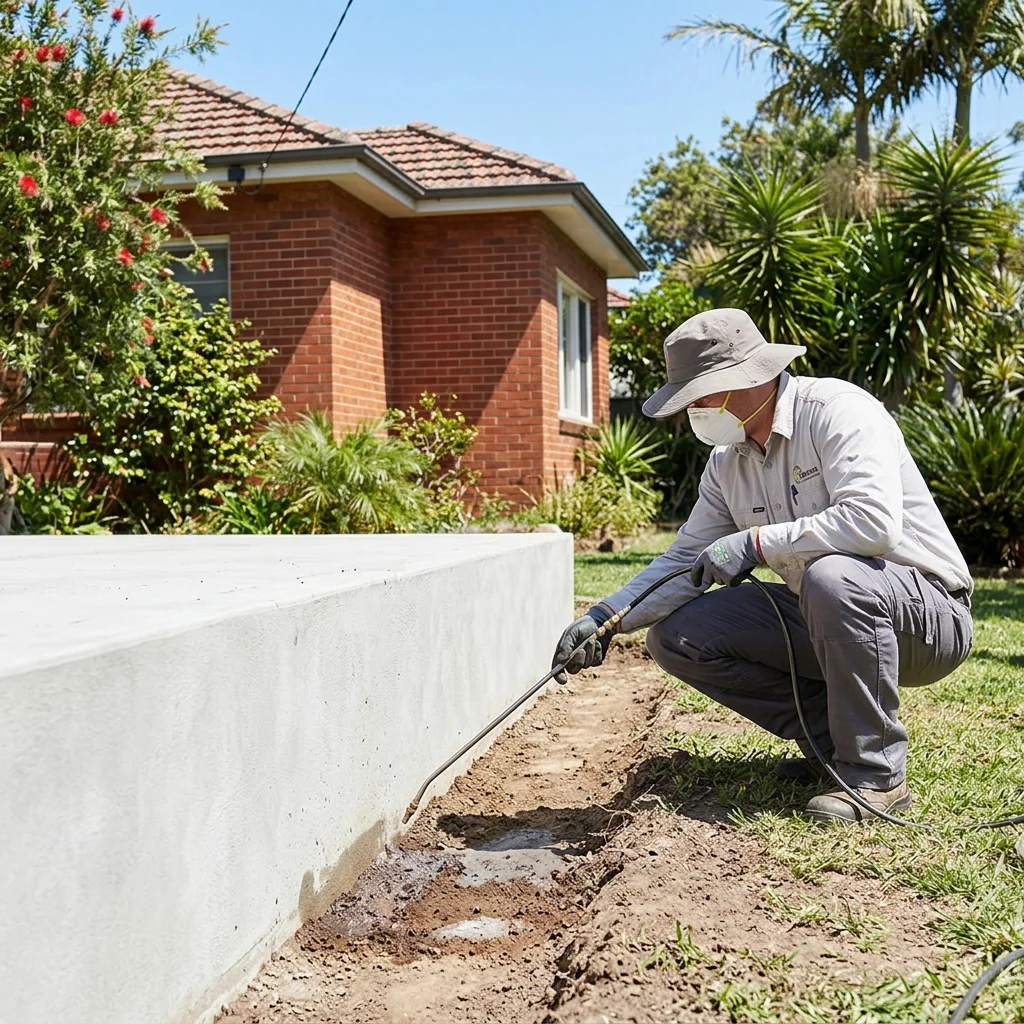
Visual clues externally: Garden beds built up against the building walls above the damp-proof course level. Ground that slopes toward the building rather than away from it. Blocked or overflowing gutters and downpipes that direct water against the building. Staining or efflorescence on exterior brickwork.
Visual clues in the subfloor (if accessible via external vents): Visible standing water under the building. Mould or dark staining on subfloor timbers visible through the vent openings. Musty or damp smell emanating from subfloor vents.
These observations are starting points, not conclusions. A thorough visual building inspection with moisture detection equipment provides definitive assessment that visual observation alone cannot achieve.
Property sellers and their agents present homes in their best light. This is expected and legitimate, but it means moisture problems may not be visible during your visit.
Fresh paint conceals stains. A freshly painted wall may look immaculate but could be covering years of moisture staining, mould, or rising damp evidence. A moisture meter reading on the wall behind the paint reveals what the paint conceals.
Staging masks smells. Scented candles, diffusers, and freshly cut flowers in a staged home can mask the musty smell that indicates hidden moisture. Visit the property unstaged or ask to inspect without the staging if possible.
Furniture hides damage. Bookcases against walls, beds against external walls, and furniture placed in front of lower wall sections can conceal peeling paint, staining, and mould that would otherwise be visible.
Renovated wet areas may have cosmetic work only. A bathroom that has been recently retiled may look new but may not have had the waterproof membrane replaced. Cosmetic tiling over a failed membrane means the moisture problem continues behind the new tiles.
This is why a professional building and pest inspection is essential before purchasing. An experienced inspector with a construction background knows where moisture hides and uses professional equipment to detect it through surfaces that look fine to the casual observer. For buyers purchasing at auction, the building inspection before auction guide covers how to manage the timing. For the full scope of what an inspection covers, read what does a building inspector look for.
Moisture and termites are inseparable in terms of property risk. Termites require a moisture source to survive, and they actively seek out damp environments when establishing new colonies and extending their foraging territory.
A property with subfloor moisture, a leaking shower, poor drainage against the foundation, or any other sustained moisture source is significantly more attractive to termites than a dry property. This means that a moisture problem is not just a moisture problem. It is also a termite risk factor.
During a combined building and pest inspection, the timber pest assessment specifically evaluates moisture conditions as part of the termite risk profile. Properties with identified moisture issues receive a higher risk classification, and the inspector notes the conducive conditions in the report alongside any recommendations.
The termite barrier cost Sydney guide covers the cost of protection for properties identified as high risk. The signs of termites in your home guide covers the physical evidence of termite activity that an inspector looks for.
A professional inspection report from Barrenjoey Inspections includes specific moisture-related findings.
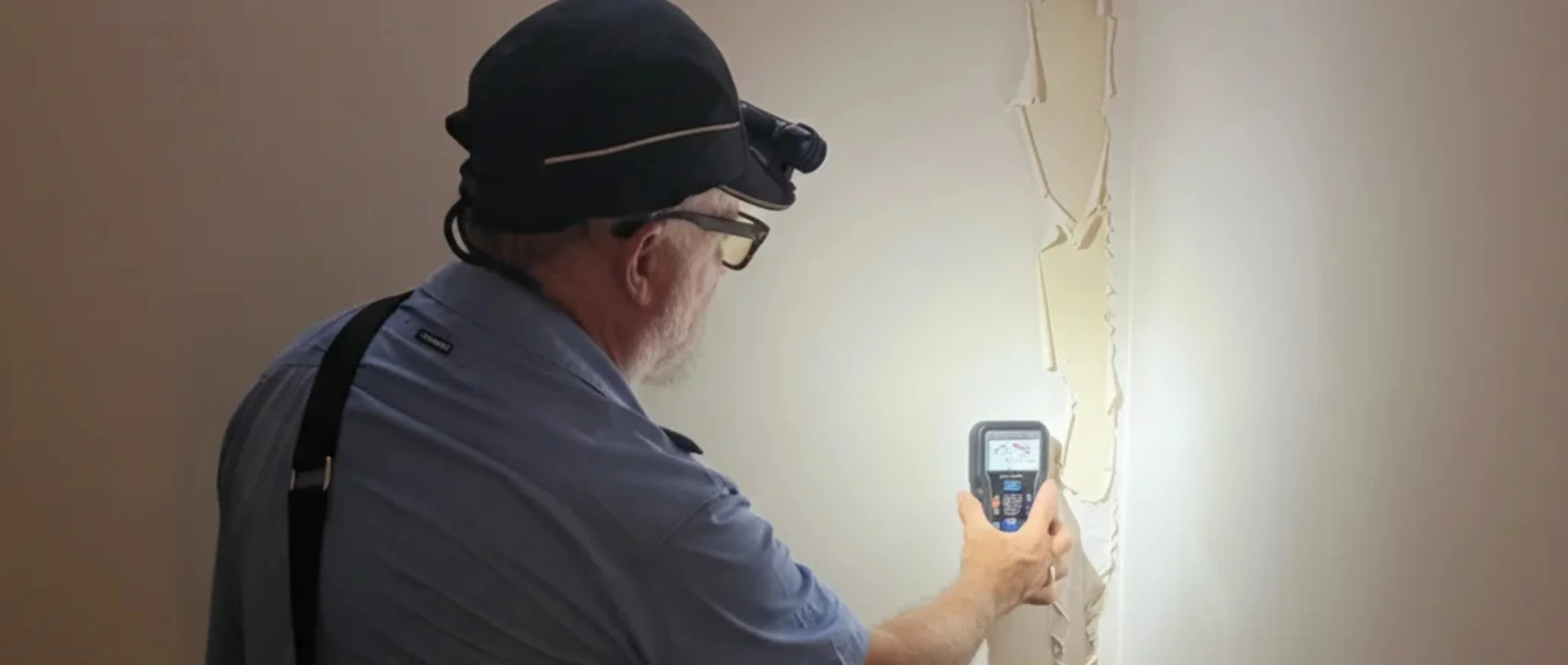
Moisture meter readings at key locations throughout the property: internal walls (particularly lower sections), wet area walls and floors, window frames, subfloor timbers, and any area where moisture is suspected. Elevated readings are noted with their location, severity, and likely cause.
Photographic evidence of all moisture-related findings: staining, mould, efflorescence, timber decay, poor drainage, subfloor conditions, and any visual evidence of water entry.
Risk assessment that connects moisture findings to broader property risks: termite attraction, structural implications, repair requirements, and ongoing maintenance needs.
Recommendations for remediation, further specialist investigation if needed (such as a plumber for suspected pipe leaks or a drainage specialist for site water management), and preventive measures.
Reports are delivered within 24 hours of the inspection, followed by a phone consultation to walk through the findings and discuss what they mean for your purchase decision. The building inspection cost Sydney guide covers what the inspection costs and what is included.
For strata buyers, moisture assessment in apartment inspections covers the unit, balcony, and accessible common areas. The strata inspection service page covers the specific scope.
Seven common moisture problems, where they occur, and why a building inspection catches what casual observation misses.
Groundwater wicks up through masonry. Lower wall stains, peeling paint, salt deposits.
Poor drainage and ventilation under suspended floors. Timber decay, termite attraction.
Failed flashing, corroded valleys, cracked tiles. Wet insulation, rafter decay, ceiling stains.
Poor ventilation, cold walls. Mould on walls and ceilings, window frame decay.
Corroded pipes, failed joints inside walls and under floors. Localised timber decay, hidden mould.
Ground slopes toward building, blocked stormwater. Foundation moisture, subfloor problems.
Aged membrane in bathrooms and balconies. Water migrates through floors and walls to rooms below.
Structural framing softens and loses load capacity over months and years of exposure.
Establishes rapidly in warm, humid conditions. Affects air quality and occupant health.
Termites need moisture to survive. Damp conditions are a direct invitation for colony activity.
Foundation movement from reactive soils. Wall cracking, door and window distortion.
Detects elevated moisture behind painted surfaces and inside wall cavities without opening the wall.
30+ years of construction experience recognises concealed moisture signs that casual observation misses.
Every finding photographed and included in the report with location, severity, and recommendations.
Moisture problems are the most commonly hidden issue at sale time. Fresh paint conceals stains, staging masks smells, and furniture hides damage on lower walls. A thorough building inspection with moisture detection equipment finds what a walkthrough cannot. The cost of the inspection is insignificant compared to discovering moisture damage after settlement.
barrenjoeyinspections.com.au | Barrenjoey Inspections | Northern Beaches and North Shore
Yes. Professional moisture meters can detect elevated moisture levels behind painted surfaces and within wall cavities without needing to open the wall. During a thorough visual building inspection, moisture readings are taken at key locations throughout the property, particularly on lower walls, wet area walls, and any area where moisture is suspected based on visual clues.
Not always. Some moisture is normal: condensation on bathroom mirrors, minor dew on windows on cold mornings, and surface moisture after rain are all typical and manageable. The concern arises when moisture is sustained, hidden, or structural: rising damp, subfloor moisture, roof leaks, failed waterproofing, and plumbing leaks all cause progressive damage that worsens over time.
Yes. Termites require a moisture source to survive and actively seek damp environments. A property with sustained moisture problems (subfloor dampness, leaking pipes, poor drainage against the foundation) is significantly more attractive to termites than a dry one. This is why the timber pest assessment during a building and pest inspection evaluates moisture conditions as part of the termite risk profile.
Look for paint peeling or bubbling on lower walls, ceiling stains, mould spots, musty smell, efflorescence on brickwork, fresh paint on isolated wall sections (possibly concealing stains), soft flooring near wet areas, and garden beds built up against the building. These are starting points; a professional inspection provides definitive assessment.
Not necessarily. Many moisture problems are fixable: improving drainage, reinstating ventilation, repairing plumbing, and applying damp treatments are all common remediation measures. What matters is understanding the scope and cost of the fix before you commit. Your inspection report quantifies the problem, and you can factor the remediation cost into your offer price or request it as a contract condition. Request a free quote from Barrenjoey Inspections for a thorough assessment.

EXCELLENT Based on 13 reviews
 Posted on Google
 Jenna QuartermainMarc was efficient and extremely thorough at a time we really needed his professional advice. His communication is outstanding and we highly recommend him.Posted on Google
 james curtisMarc provided a very comprehensive building report, and was a pleasure to work with. He was responded to our enquiry immediately and was available at short notice.Posted on Google
 Ben AndrichI highly recommend Marc for anyone looking for a building and pest report. He was responsive, thorough in his review of the property, helpful with my queries and easy to do business with.Posted on Google
 D M (Dave)Marc is extremely thorough and meticulous. I have used many other Property inspectors in the past and none of them have come anywhere close to the level of detailed reports that Mark provide. He is the gold standard for property inspectors. So pleased I engaged his services on several occasions. I will recommend him to everyone. Dave.Posted on Google
 Alexander CroninMarc performed a building and pest inspection for an apartment ahead of a purchase. Quick turnaround for a thorough report that was clear to understandPosted on Google
 Simonne SummervilleMarc was able to accomodate me quickly and was very thorough and knowledgeable. I highly recommend Marc for your next house/pest inspection.Posted on Google
 Virpi TuiteI was very impressed by the professional and friendly service from Barrenjoey Inspections. Marc is knowledgeable and has great attention to detail. The report is thorough and easy to follow, providing confidence for the most significant purchase, our new home.Verified by TrustindexTrustindex verified badge is the Universal Symbol of Trust. Only the greatest companies can get the verified badge who has a review score above 4.5, based on customer reviews over the past 12 months. Read more
Professional Building Inspection Services Across All Sydney Regions
Subscribe to our newsletter and never miss the let latest articles, expert blogs, business effectively.
Buying a property is one of the biggest financial commitments you will make. Our pre-purchase building and pest inspections provide a detailed assessment of the visible condition of the property, helping you make informed decisions before you sign.
Need a building-only assessment before purchase? Our buyer building inspection covers structure, safety, moisture, and visible defects without the timber pest component.

Our most requested service is the complete building and pest inspection Sydney buyers book before auctions and cooling-off deadlines. You receive a comprehensive structural and timber pest assessment in one detailed report — delivered within 24 hours. This is the most efficient way to protect your purchase.
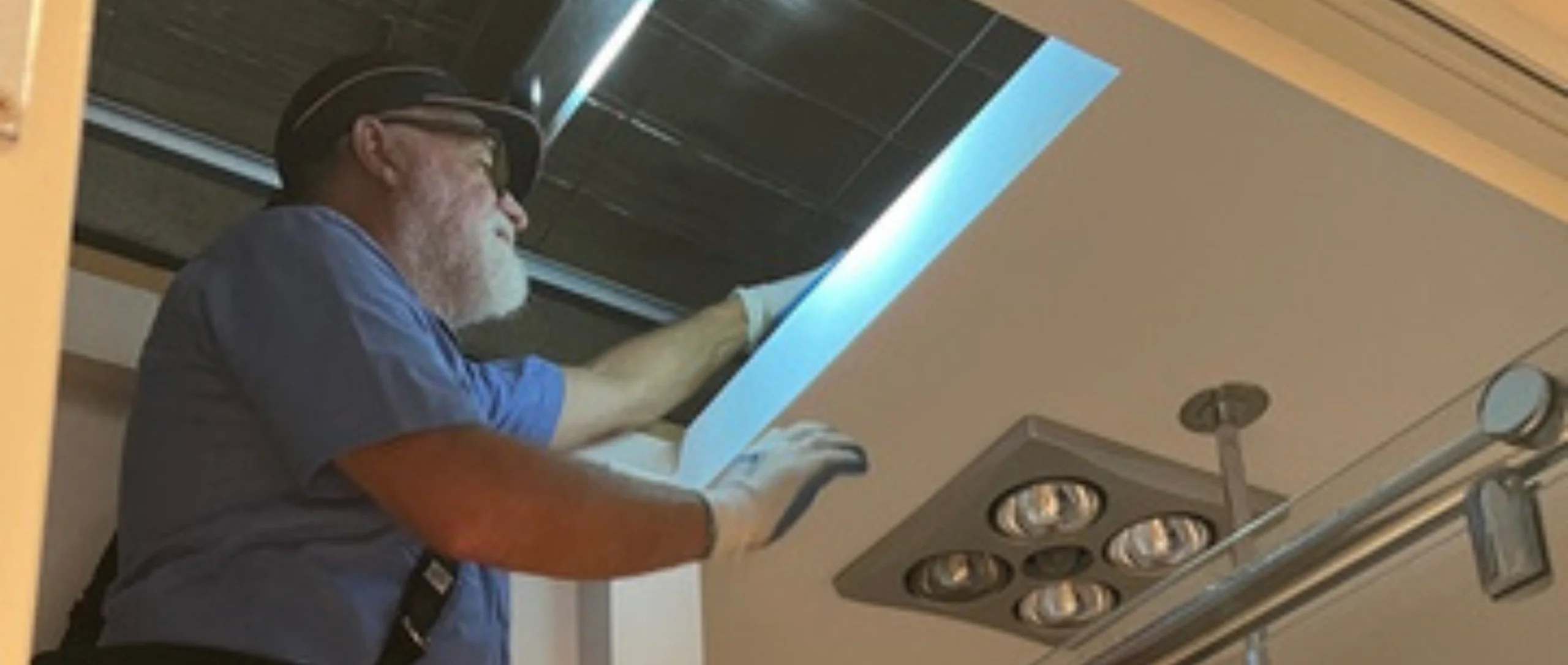
Experiencing defects in your apartment or strata unit, or planning remedial works? We provide independent inspections that document the condition of your unit and visible common property areas. Our reports give you clear evidence to help you engage with your owners corporation, understand potential issues, and protect your investment.